What Is Art Therapy? Art therapy is a gentle, powerful form of mental health care that uses creative expression to support healing, growth, and understanding. At its heart, art therapy honors the truth that sometimes words are not enough. When emotions feel tangled, overwhelming, or impossible to explain, creating images, sculpting with clay, or moving our bodies to music can sometimes open different doorways into understanding and relief.
Art therapy takes place within a safe, therapeutic relationship guided by a trained and credentialed art therapist. Through drawing, painting, sculpting, collage, movement, and other creative processes, individuals are invited to explore thoughts and feelings that may live beneath language. The focus is not on the quality of the art as a product, but on the meaning, emotion, and insight that emerge through the process itself.
Art therapists are trained in both psychological theory and the use of art materials as therapeutic tools. They help clients notice patterns, symbols, and metaphors that arise naturally during creative work and gently integrate these insights into personal growth and healing.
Who Can Benefit from Art Therapy? Art therapy supports people of all ages and backgrounds. It is especially helpful during times of stress, transition, trauma, grief, illness, or emotional overwhelm. Art therapists work with children navigating behavioral or developmental challenges, teens and adults coping with anxiety or depression, individuals on the autism spectrum, people living with dementia or memory loss, survivors of violence or trauma, military service members and veterans, caregivers, and anyone seeking support during life’s challenges.
Art therapy can be particularly meaningful for those who have tried traditional talk therapy and found it difficult, or for those who feel disconnected from their emotions or overwhelmed by them.
What Makes Art Therapy Effective? Research shows that art therapy can reduce anxiety and depression, support emotional regulation, ease symptoms of trauma, and help individuals feel more empowered and in control of their lives. Creating art engages parts of the brain connected to sensory experience, memory, and emotion. This allows people to express, externalize, and process feelings in ways that feel safer and more manageable.
Art-making can also help relieve stress, shift focus away from physical pain, and foster resilience during medical or mental health challenges. By giving shape to inner experiences, clients often discover clarity, meaning, and relief.
Do You Have to Be “Good” at Art? Absolutely not. You do not need artistic skill, experience, or confidence to benefit from art therapy. Everyone is creative, even if they haven’t felt that way in a long time. Art therapy welcomes scribbles, abstract marks, playful mess-making, and experimentation. Your art therapist will guide you in choosing materials and approaches that fit your unique needs and comfort level.
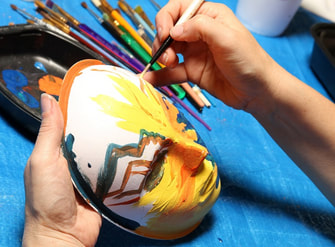
Sometimes traditional supplies like paint or pencils are used. Other times, unexpected materials from nature or everyday life are introduced to spark new ways of expression. The goal is not perfection, but authenticity.
Who Are Art Therapists? Art therapists are credentialed mental health professionals who hold a master’s degree or higher and specialized training in both psychology and art therapy. Look for credentials such as ATR (Registered Art Therapist) or ATR-BC (Board Certified Art Therapist). These credentials ensure that your therapist is trained to use creative processes safely, ethically, and effectively within a therapeutic setting. At Unmasked, Art Therapists are also LPC's (Licensed Professional Counselors)
A Space for Healing! Art therapy creates a space where people can explore, express, and heal at their own pace. Through creativity, individuals often find their voices again, reclaim a sense of control, and discover new ways of understanding themselves. Whether through images, symbols, movement, or color, art becomes a bridge between inner experience and outward healing.
At its core, art therapy is about honoring the human need to be seen, heard, and understood, sometimes without having to say a word.
Art therapy takes place within a safe, therapeutic relationship guided by a trained and credentialed art therapist. Through drawing, painting, sculpting, collage, movement, and other creative processes, individuals are invited to explore thoughts and feelings that may live beneath language. The focus is not on the quality of the art as a product, but on the meaning, emotion, and insight that emerge through the process itself.
Art therapists are trained in both psychological theory and the use of art materials as therapeutic tools. They help clients notice patterns, symbols, and metaphors that arise naturally during creative work and gently integrate these insights into personal growth and healing.
Who Can Benefit from Art Therapy? Art therapy supports people of all ages and backgrounds. It is especially helpful during times of stress, transition, trauma, grief, illness, or emotional overwhelm. Art therapists work with children navigating behavioral or developmental challenges, teens and adults coping with anxiety or depression, individuals on the autism spectrum, people living with dementia or memory loss, survivors of violence or trauma, military service members and veterans, caregivers, and anyone seeking support during life’s challenges.
Art therapy can be particularly meaningful for those who have tried traditional talk therapy and found it difficult, or for those who feel disconnected from their emotions or overwhelmed by them.
What Makes Art Therapy Effective? Research shows that art therapy can reduce anxiety and depression, support emotional regulation, ease symptoms of trauma, and help individuals feel more empowered and in control of their lives. Creating art engages parts of the brain connected to sensory experience, memory, and emotion. This allows people to express, externalize, and process feelings in ways that feel safer and more manageable.
Art-making can also help relieve stress, shift focus away from physical pain, and foster resilience during medical or mental health challenges. By giving shape to inner experiences, clients often discover clarity, meaning, and relief.
Do You Have to Be “Good” at Art? Absolutely not. You do not need artistic skill, experience, or confidence to benefit from art therapy. Everyone is creative, even if they haven’t felt that way in a long time. Art therapy welcomes scribbles, abstract marks, playful mess-making, and experimentation. Your art therapist will guide you in choosing materials and approaches that fit your unique needs and comfort level.
Sometimes traditional supplies like paint or pencils are used. Other times, unexpected materials from nature or everyday life are introduced to spark new ways of expression. The goal is not perfection, but authenticity.
Who Are Art Therapists? Art therapists are credentialed mental health professionals who hold a master’s degree or higher and specialized training in both psychology and art therapy. Look for credentials such as ATR (Registered Art Therapist) or ATR-BC (Board Certified Art Therapist). These credentials ensure that your therapist is trained to use creative processes safely, ethically, and effectively within a therapeutic setting. At Unmasked, Art Therapists are also LPC's (Licensed Professional Counselors)
A Space for Healing! Art therapy creates a space where people can explore, express, and heal at their own pace. Through creativity, individuals often find their voices again, reclaim a sense of control, and discover new ways of understanding themselves. Whether through images, symbols, movement, or color, art becomes a bridge between inner experience and outward healing.
At its core, art therapy is about honoring the human need to be seen, heard, and understood, sometimes without having to say a word.